
Not sweating the small stuff can be one of the most difficult things to master especially in the woodshop where the small stuff usually makes a huge difference. One little screw has the potential to destroy an entire afternoon – you might spend hours attempting to set that screw right only to fire-up your stress level and leave the shop defeated or deflated by one stubborn little part. Remember these few tips to ensure your woodworking screws keep doing as their told, and to eliminate the frustration and stress these little suckers can cause even the most cool-headed craftsmen.
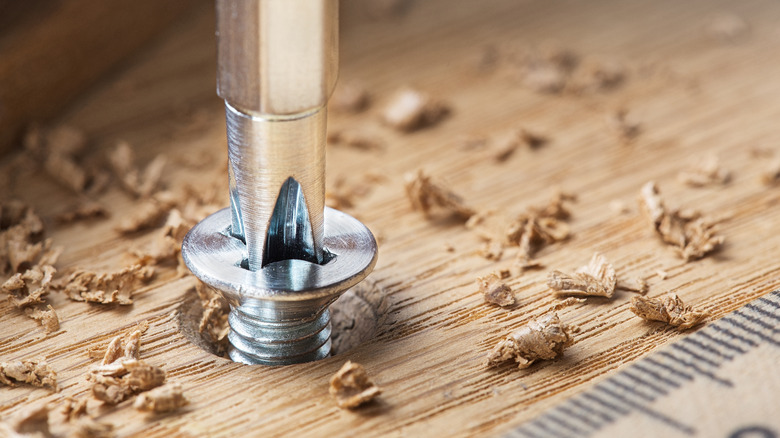
Getting Screws into Hard Wood:
It’s common for a craftsmen to strip, or even break off the head of a screw when attempting to force it through hard wood. The easiest way to tackle the “screw into hard wood” debacle is to remember just two simple tips.
— Before attempting to screw into hard woods try pre-drilling whats called a “pilot hole.” This should allow a much easier entry point – a little pocket, if you will – for the screw. In the hardest woods your pilot hole should measure about ½ the diameter of your screw – in softer woods your pilot hole should be about ¼ the diameter of your screw.
— If the pilot hole doesn’t seem to be enough to entice the screw through, try rubbing a bit of paraffin wax or moist bar soap along the screws threads. This technique is especially helpful with the softer metal screws like brass or aluminum.
— When lubing a screw, however, never use grease or oil! These may leach into, and stain the wood.
Keeping Screws Tight:
Because screws are so much harder than the wood their setting in, it doesn’t take too much friction or vibration the joggle them out of place. It is easy to assume that pulling a loose screw and replacing it with a larger one is the best solution – however, that bigger screw is just as likely to work free from the wood as it predecessor. Before resorting to fatter screws try re-securing the current screw: insert one (or a few, depending) lightly glued toothpick pieces(s) into the screw hole. The tooth picks should provide the support to keep your screw tight. In worse cases, try re-drilling the initial hole and tapping in a glued dowel. Drill a new pilot hole into the dowel and re-screw. The dowel should reinforce the strength and tightness of the first screw.
Removing Stuck Screws:
Frozen screws are the result of accumulated rust and corrosion around the screw’s body. To release the screw, you must break it away from the adhesions that bind it. In brief, there are five surefire ways to get your frozen screws loose:
1) Chemical removal:
Let a chemical like Coke, Pepsi, lemon juice, hydrogen peroxide, etc. soak into the screw hole. Sometimes tapping the screw as you apply chemical solution allows for deeper penetration and easier extraction. Let chemical sit, and try to turn/release screw.
2) With Force/Impact:
Make certain you have the right size screwdriver. If you can move the screw at all, try to tighten it. This will break the screw free and you should then be able to reverse the screw out. If the screw’s head is sticking up, grab it with a pair of vice grips or pliers and turn it loose that way. If the screw’s head is not elevated, put your screwdriver in the screw’s head sockets, lock onto the screwdriver shaft with your vice grips, and while pressing down on the screwdriver, try turning the vice grips. The extra leverage may be enough to loosen the screw. Lightly tapping your screwdriver with a hammer while it is inserted into the screws head may also release it.
3) Hot/Cold:
Before trying heat and cold methods, be sure the material around your stuck screw can withstand the temperature difference. To expand the screw, heat it up with a butane or propane torch. You might also use a hot glue gun (without glue), or a soldering iron. Once the screw has cooled, the expansion should allow you the room to reverse the screw out. Cold temperatures are another alternative. Hold ice (dry ice is most effective) against the screw until it has sufficiently cooled attempt to reverse it again. Remember to keep you hands safe from burns, and to avoid using flammable oils near hot screws until they have cooled.
4) Destruction:
If you absolutely mudt get the screw out, you can destroy it. Be careful, though, to keep the screw hole intact. Place a small steel punch or chisel off-center in the screws head slots and hit it with a hammer in a counter-clockwise motion. Successive impacts should knock the screw loose. You may also try to drill the screw out. While drilling a screw out keep your drill bit dead center (left handed drill bits are most effective delivering the most turning pressure), eventually the screw should turn loose.
5) Drastic Measures:
Some screws just won’t budge without a screw extractor. Pre-drill and pilot hole into the screw and insert your screw extractor (a drill bit-like accessory fastened to a T Handle). The extractor should, with a few rotations, pull the screw loose, but be careful not to break the it off inside the screw. The last method is spark erosion. Spark erosion effectively dissolves the screw without damaging surrounding materials. Electrical discharge machining, however, is rare and difficult to come by. One must find a facility that provides the service, and it may not be worth the effort. Ultimately, persistence is the best method for removing that screw. Keep trying the above techniques until that frozen screw comes loose. A stuck screw can be the worst kind of nuisance, but be patient and focused and one of these methods is bound to get that stubborn screw un-stuck.
Keeping Your Screws Permanently in Place:
Non-removable Screws:
Every now and again a craftsmen needs a screw to stay put permanently. Non-removable screws are designed with a head-slot that can only be twisted to insert the screw. The reverse side of the head’s socket has been clipped to keep the screwdriver’s tip from locking onto the screw.
Special Screws – Serrated Teeth:
These screws are designed with barbed or serrated teeth that keep the screw from backing out of its hole. Vibrations tend to joggle screws out of place – these barbs cling to the wood holding the screw securely in place.
Strip Screw Heads:
To keep screws permanently stuck, you can strip the screws head. After firmly locking your screw in its proper place, use a drill bit to shave the sockets from the screw’s head. This method does, however, prevent you, also, from tightening the screw in the future.
Epoxy:
You may also try using an epoxy glue or putty in the screw’s pre-drilled pilot hole. These substances should securely lock your screws in place.
Quick Magnetic Cleanup:
Rather than scraping up your hands and tables while you scoop and slide your screws and nails to cleanup, try this quick cleanup method. To begin simply invert (or turn inside-out) a plastic bag – or even a sock. Place a magnet inside the bag and pick up your spare parts with the magnet. Once you’ve got all your parts in the bag, return it to its right-side-out position. And, voila, cleanup is in the bag! Craftsmen might also use multiple bags to keep spare parts separate and organized.
Craftsmen can also purchase a magnet roller to zap up metal parts from floors and table tops. A magnet roller is a series of circular (dough-nut shaped) magnets stacked atop one another on a through-shaft. These are generally hand-held and are used like duster or wand to collect scrap pieces. You can also use a magnet sweeper (made by Evolution Tools) to keep clean. A magnet sweeper rolls (in a vacuum-like manner) across floors to pick up small metallic materials. The magnetic sweeper works essentially like a “super broom” sucking up materials even on uneven surfaces (i.e. cracks or tiled areas).
Simply remeber these few tricks of the tade and you’ll have a happier, more organized, and almost always pain-free woodshop. Good luck, and happy crafting!
Posted in Screws by Mallory Kramer.


Leave a Comment